
Hotel Overbooking Recovery: Handling the Walk Without Losing the Guest
Every hotel that accepts reservations without charging the full stay in advance is exposed to no-shows, and every hotel that manages that exposure will occasionally sell a room it cannot deliver. This is not a failure of the reservations system. It is the predictable cost of a deliberate revenue decision.
Hotel overbooking recovery is what happens in the twenty minutes after that decision meets a guest standing at the desk at eleven at night, and it is almost always managed worse than the calculation that created it.
The imbalance is easy to explain. Overbooking levels are set by analysts with models and historical data. The walk is handled by whoever happens to be on shift.
The calculation is sophisticated; the execution rarely is
Academic work on the problem has moved well past simple no-show averages. Research published in Cornell Hospitality Quarterly in 2023 models overbooking with class-dependent walk-out costs, on the reasoning that walking a loyalty member who booked direct carries a materially higher cost than walking a guest who arrived through a third-party channel.
The same study examines proactive walking — relocating a guest whilst rooms remain available, rather than waiting until the property is genuinely full — and finds that class-specific walk costs influence the optimal overbooking level across every customer class, not merely the one affected.
The operational implication is the part most properties skip. If the model already recognises that guests are not interchangeable, the recovery process cannot treat them as though they are. A front desk with no visibility of booking channel or loyalty tier is making the most expensive decision of the night blind.
The guest has no statutory backstop
A passenger involuntarily denied boarding on a flight to or from the UK has defined rights. The Civil Aviation Authority’s guidance on denied boarding sets out entitlement to compensation, to care whilst waiting, and to re-routing or a refund, with the regulator enforcing the regime under UK261. The airline’s recovery obligation is written down, and the passenger can look it up.
A walked hotel guest has no equivalent. Their remedy rests on the booking contract and on whatever the property chooses to offer.
That absence is usually read as an advantage. It is closer to a liability, because it means every element of the recovery is discretionary, and discretionary decisions made at midnight by a duty manager without a policy tend to be inconsistent.
Two guests walked from the same property in the same week can receive entirely different treatment, and in an era of public reviews, the gap between them becomes the story.
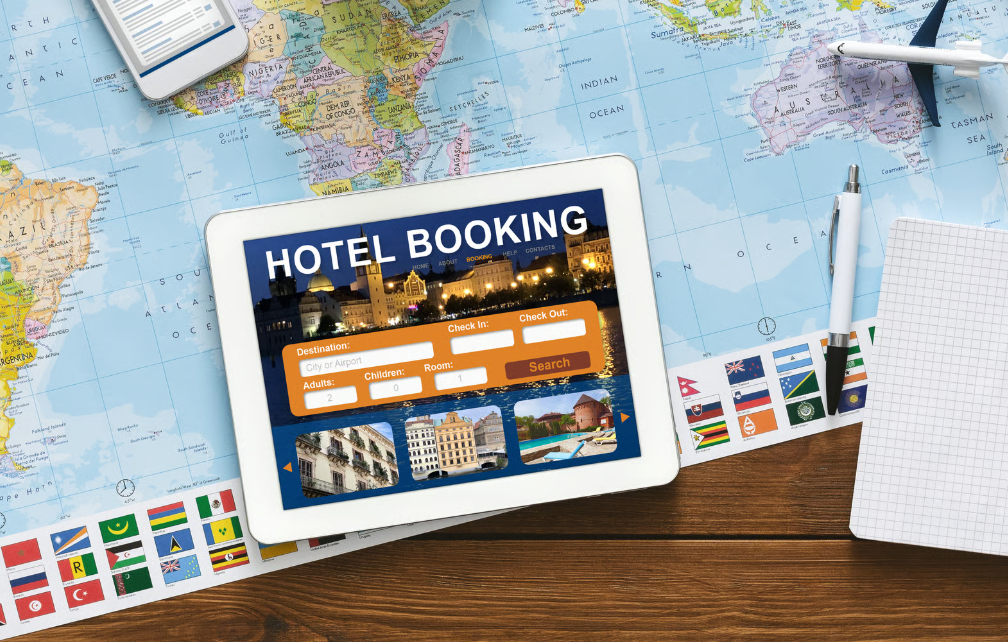
What competent hotel overbooking recovery actually contains
The properties that handle this well share a structure rather than a budget. The distinguishing factor is not how much compensation is offered but how much of the decision was made before the guest arrived.
| Element | Reactive version | Planned version |
|---|---|---|
| Identifying who gets walked | Whoever checks in last | Flagged by channel and tier at the afternoon review |
| Alternative accommodation | Called from the desk with the guest waiting | Standing reciprocal arrangements with nearby properties |
| Transport | Guest directs themselves | Pre-booked, paid, waiting |
| Compensation | Negotiated in the lobby | Fixed tier published internally, applied without argument |
| Return stay | Vague invitation | Confirmed booking made before the guest leaves |
| Follow-up | None | Contact within 48 hours from someone with authority |
The final two rows carry most of the retention value and cost the least. Research into perceived fairness in overbooking compensation, including a 2009 study in the International Journal of Contemporary Hospitality Management, has linked how guests judge the fairness of the handling to their subsequent loyalty rather than to the disruption itself.
The mechanism is familiar from retail, where, as covered in this analysis of what actually drives repeat purchase, the post-transaction experience predicts return behaviour more reliably than the transaction did.
Who handles it, and at what hour
Walks concentrate in the evening, when the property discovers that its no-show forecast was wrong. That is precisely when the reservations team has gone home, the revenue manager is unreachable, and the person holding the decision is the least senior member of staff on site.
Two structural fixes address this. The first is authority: the duty manager needs a published compensation ceiling they can apply without seeking approval, because a guest watching someone phone a superior has already concluded the hotel is improvising. The second is coverage. Properties that cannot justify a trained overnight reservations desk of their own increasingly route that window to hospitality bpo services partners, who can hold the rebooking authority and the alternative-property list on the hotel’s behalf.
The distributed handover arrangements described in this piece on follow the sun support models work for the same reason here as elsewhere: the demand does not stop when the office does.
A walk handled in four minutes with a car waiting outside is a story the guest tells favourably. The same walk handled in forty minutes at the desk is a review that outlives the booking by years.
FAQ: Hotel Overbooking Recovery
It is the set of procedures a property follows when it has sold more rooms than it can deliver and must relocate a guest. It covers selecting who is walked, securing and paying for alternative accommodation and transport, applying compensation, and re-establishing the relationship afterwards. It is distinct from the overbooking decision itself, which is a revenue management function.
In most jurisdictions, yes. Overbooking is a standard revenue management practice across hospitality, and the hotel’s obligation is generally to provide the accommodation contracted for or to remedy the failure to do so. What the remedy must consist of is usually a matter of contract and consumer law rather than a fixed statutory tariff, which is the substantive difference from air travel.
Not the last to arrive, which is the default most front desks fall into. Current revenue management research treats the cost of walking as varying by customer class, with loyalty members booking direct representing the most expensive relocation and third-party bookings on flexible rates the least. Walking should follow that cost hierarchy, decided in advance rather than at the desk.
There is no standard figure, and any number quoted as one should be treated with caution. The more useful principle is that the amount matters less than the consistency and the speed with which it is offered. A modest, published, immediately applied compensation tier generally outperforms a larger sum extracted through argument.
The rebooking and guest communication elements can be, provided the partner holds real authority to secure alternative accommodation and apply compensation without escalating back to the property. What cannot be outsourced is the decision framework itself — the tier hierarchy, the compensation ceiling and the reciprocal property arrangements have to be set by the hotel before the night they are needed.

Offshore BPO analyst covering the UK, South Africa, and the Philippines. Writing on outsourcing strategy, compliance, and CX operations across all three markets — from British buyers to offshore operators.